Parents Tools & Resources November 19, 2026

Keeping Little Travellers Safe: Your Guide to Child Car Seats

Navigating Australian car seat laws and height markers can be tricky. Discover Kidsafe best-practice tips, the 5-Step Test and quick safety checks to keep your little ones safe on every journey.

Jessica Kingi
Keeping Little Travellers Safe: Your Guide to Child Car Seats

As parents and carers, keeping our children safe on every journey, whether it is the quick morning drop-off at Kids Club or a weekend road trip, is always our top priority. However, navigating Australian car seat laws, shoulder height markers and installation rules can sometimes feel overwhelming.

While national laws set the minimum legal requirements, road safety experts recommend following best-practice guidelines based on your child’s physical size rather than just their age. Here is a simple breakdown to help you make the safest choice for your family.

1. Size Matters More Than Age

Every child grows at their own pace. Instead of rushing to move your child to the next seat the moment they have a birthday, always check the shoulder height markers stitched into the car seat cover. Keeping your child in their current stage until they reach the maximum height limit gives them the best possible protection.

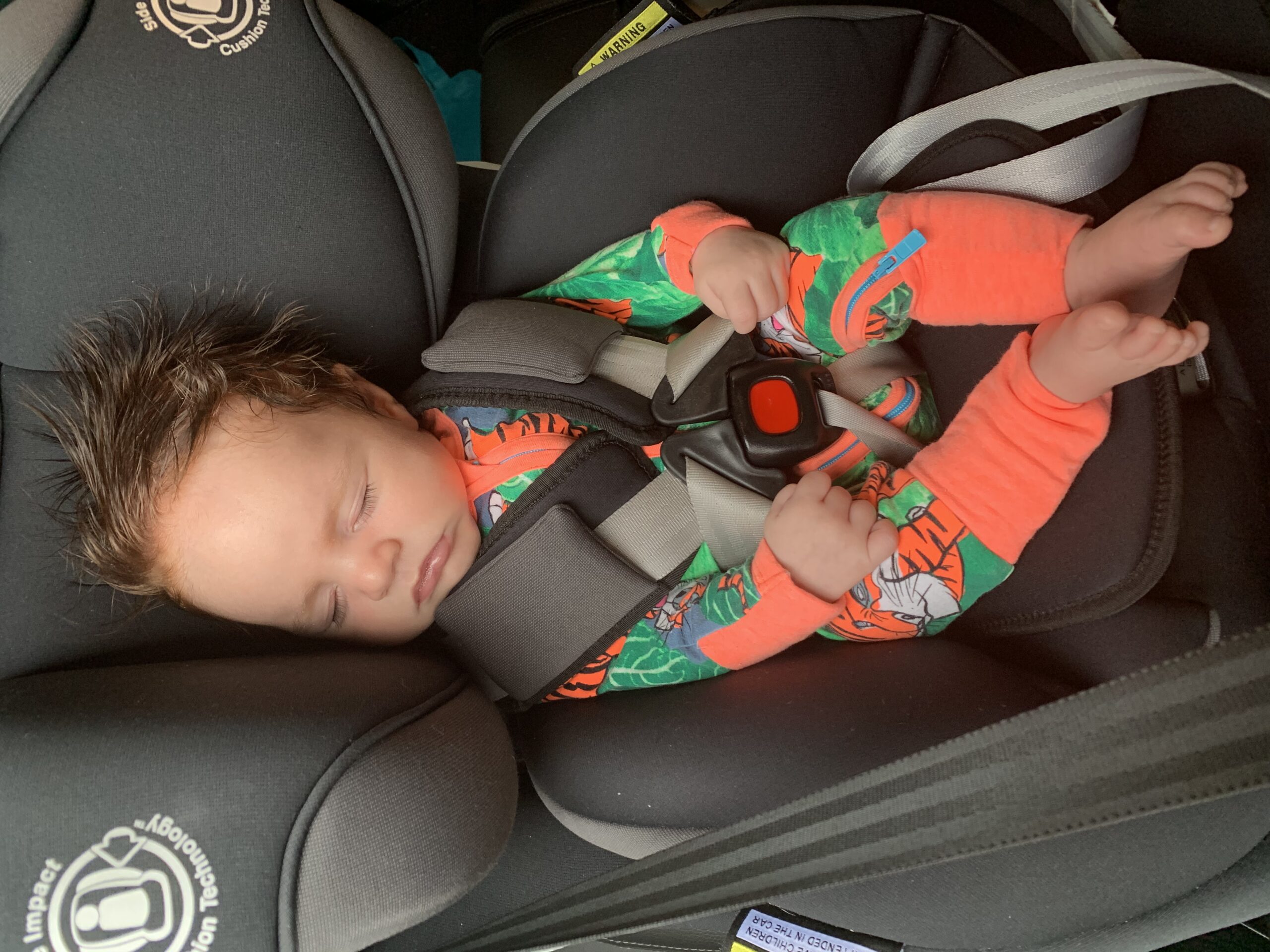
  • Rearward-Facing Restraints (Birth to 6 months minimum): By law, babies must travel rearward-facing until at least 6 months of age. However, Kidsafe recommends keeping your child rearward-facing for as long as they fit the seat, often until they are 2 to 3 years old as this position offers vital support for a young child’s head, neck and spine.
  • Forward-Facing Restraints with an Inbuilt Harness (6 months to 4 years minimum): Once your child outgrows their rearward-facing seat, move them into a forward-facing seat with an inbuilt 6-point harness. Keep them in this harnessed seat until their shoulders reach the top height marker, which for many children is well beyond age 4.
  • Booster Seats (4 to 7 years minimum): When your child outgrows their harnessed seat, transition them to an approved booster seat used with a properly fitted adult lap-sash seatbelt. Avoid simple booster cushions without a back or side wings, as full-backed booster seats offer far better side-impact protection.

2. When Are They Ready for an Adult Seatbelt?

Although Australian law allows children aged 7 and over to travel in a standard adult seatbelt, most 7-year-olds are not yet tall enough for an adult belt to protect them properly. Adult seatbelts are designed for people who are at least 145cm tall, a height most children do not reach until they are between 10 and 12 years old.

Before ditching the booster seat, use the 5-Step Test:

  1. Back: Can your child sit with their back firmly against the vehicle seat?
  2. Knees: Do their knees bend comfortably over the front edge of the seat cushion?
  3. Sash Belt: Does the sash sit securely across the middle of their shoulder (not on their neck or slipped off their arm)?
  4. Lap Belt: Does the lap belt sit low across the top of their thighs (not riding up over their soft tummy)?
  5. Consistency: Can they stay seated safely like this for the entire trip, even if they fall asleep?

If the answer to any of these questions is “no,” your child is safest staying in their booster seat.

3. Quick Safety Checks Before Every Drive

  • Check for the Australian Standard: Always ensure your car seat displays the official AS/NZS 1754 standards sticker. It is illegal to use overseas car seats in Australia.
  • Get a Professional Fit: Studies show that a high percentage of child restraints are installed incorrectly. Consider having your seat fitted or checked by an authorised restraint fitter to ensure the top tether and seatbelt or ISOFIX connectors are secure.
  • Be Careful with Second-Hand Seats: Only use a pre-loved seat if you know its full history, can confirm it has never been in a crash and check that it is less than 10 years old (look for the manufacture date stamped on the plastic shell).
  • Stick to the Back Seat: Children are safest in the back row of the car until they are at least 12 years old and pass the 5-Step Test.

Helpful Resources for Parents

For step-by-step guides, installation checklists, and independent safety ratings, explore these trusted Australian resources:

  • Kidsafe Australia: Visit your state or territory Kidsafe branch for comprehensive child restraint guidelines, fitting station locations, and interactive 5-step test resources.

  • Child Car Seats (CREP): Compare independent crash-test protection and ease-of-use star ratings for over 200 car seats sold in Australia.
  • Raising Children Network: Read practical, medically reviewed articles on choosing car seats and travelling safely with children with additional needs.

Updated 19 November, 2026

Calculator Subsidy Calculator Enrol Enrol Today Call Us Call Us