Parents Tools & Resources November 11, 2026

Learning Through Play

Beneath the surface of joyful early childhood play lies a sophisticated, intentional educational framework. Using our recent Preschool whale watching adventure at Kids Club Malabar as a case study, explore how child-led inquiry, family input, and the Early Years Learning Framework (EYLF) combine to turn a passing interest into weeks of deep, scientific discovery.

Jessica Kingi
Learning Through Play

More Than "Just Play": How Child-Led Inquiry Shapes Lifelong Learners

When you walk into an early childhood environment and see children building with blocks, splashing water, or dressing up, it is easy to see “just play.” But beneath the surface of these joyful moments is a sophisticated, deeply intentional educational framework.

At Kids Club play is our primary vehicle for high-level learning. Far from being a break from education, play is the education. By unpacking how learning through play is embedded into our curriculum, we can see how a passing interest transforms into a weeks-long journey of scientific discovery.

The Power of Play: What the Thinkers and Curriculum Say

Our approach is guided by the Early Years Learning Framework (EYLF), Australia’s national curriculum for early childhood. The EYLF defines play-based learning as “a context for learning through which children organise and make sense of their social worlds, as they engage with people, objects, and representations.”

This modern framework stands on the shoulders of pioneering educational theorists who understood that play is a child’s natural language:

"Play is the highest form of research."
John Doe
- Albert Einstein
"Children need the freedom and time to play. Play is not a luxury. Play is a necessity."
John Doe
- Kay Redfield Jamison

When children play, they are experimenting, taking risks, solving problems, and building neural pathways. They are testing hypotheses about how the world works—the very definition of scientific inquiry.

The Three Pillars of Meaningful Play

True play-based learning does not happen in a vacuum. It relies on a powerful triad: the child’s voice, family partnerships, and intentional teaching.

  1. Children’s Voices: We don’t hand down a rigid, pre-planned syllabus. Instead, we listen deeply to what children say, watch what they gravitate toward, and let their genuine curiosity anchor the curriculum.
  2. Family Input: Learning bridges the gap between home and care. When parents share what their children are loving, seeing, and doing over the weekend, it gives educators the perfect spark to ignite a new project.
  3. Intentional Teaching: Educators don’t just step back and watch. They use the children’s interests to deliberately embed STEM, literacy, and social-emotional skills into the environment.

Case Study: The Whale Watching Adventure at Kids Club Malabar

A perfect example of this philosophy in action is the Preschool children’s recent exploration into whale season.

The Spark (Family Input & Children’s Voices)

The project began organically. Whale season arrived in Sydney, and the children started arriving at the center bursting with excitement. They shared vivid stories of standing on the coastlines with their families, scanning the horizon, and spotting giant tails splashing in the ocean.

The Extension (Intentional Planning)

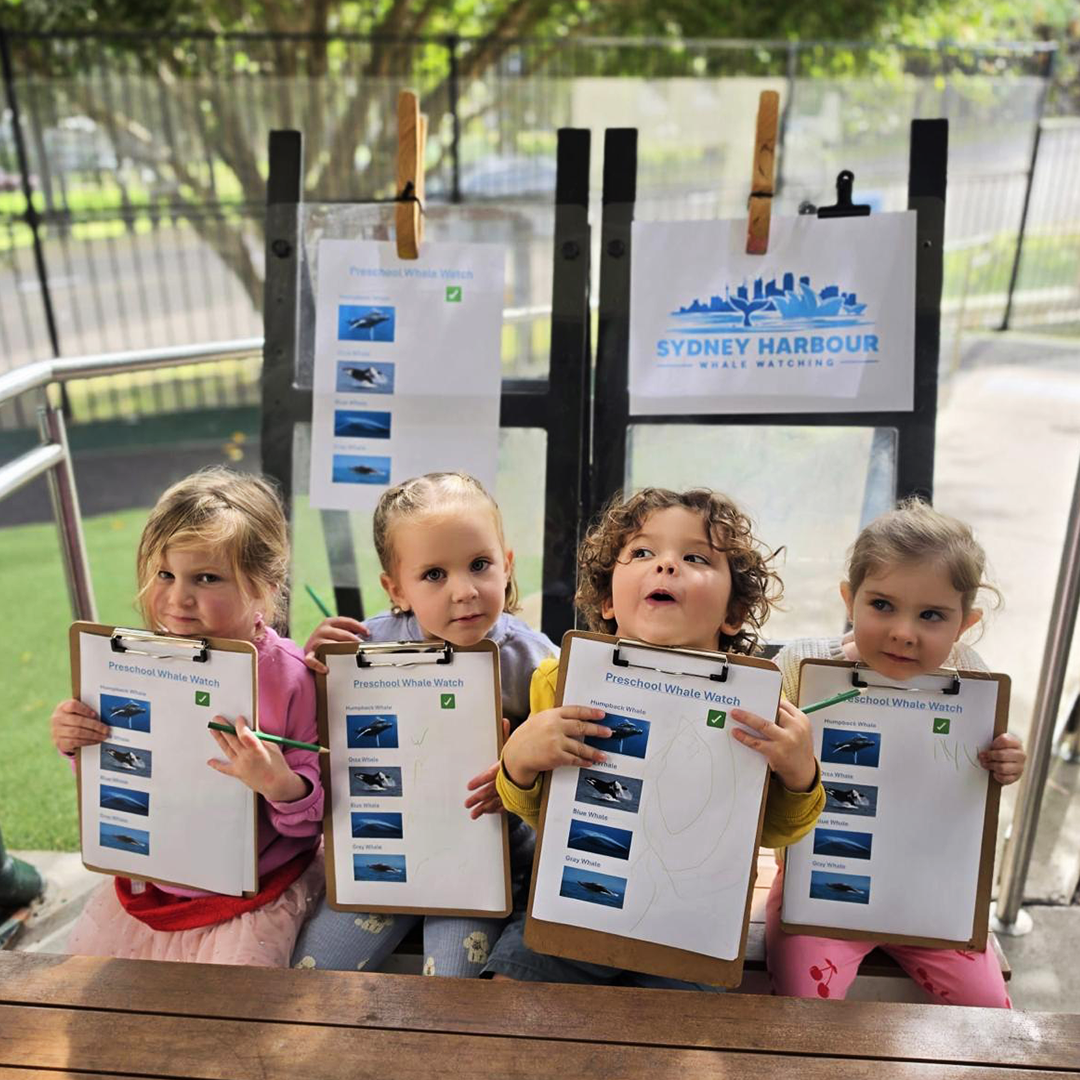
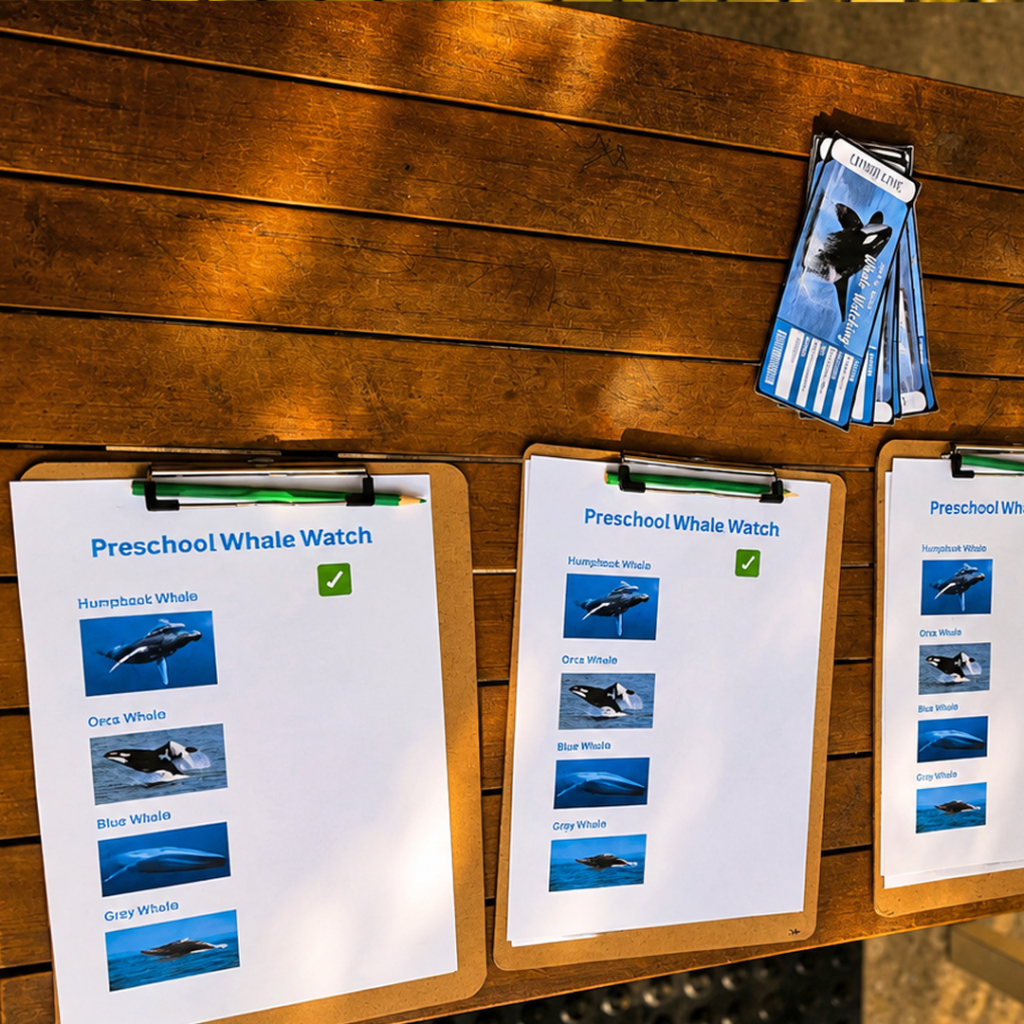
Rather than acknowledging the stories and moving on to a generic theme, our Educators listened to these voices and transformed the physical environment. The outdoor area became a simulated Sydney Harbour whale-watching cruise.

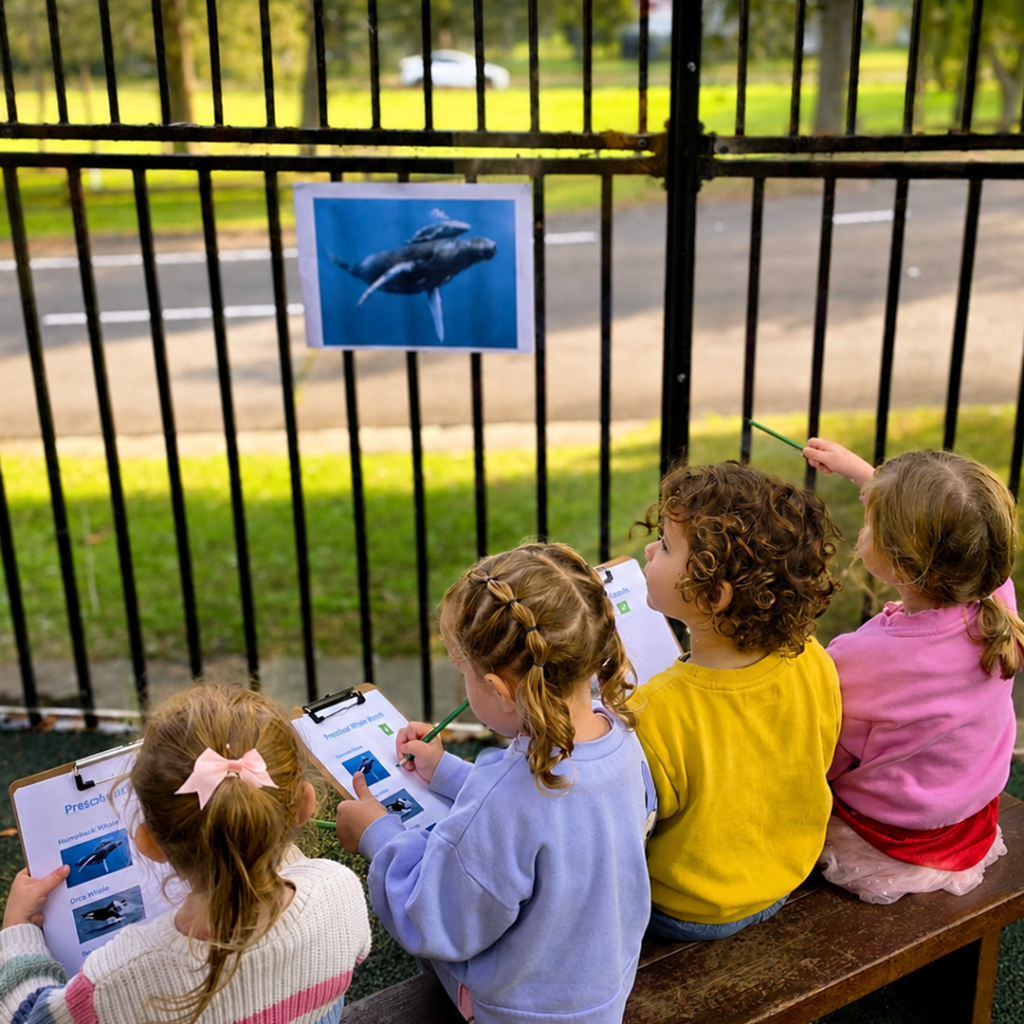
Armed with pretend tickets and clipboards, the children took the lead. They “set sail,” carefully observing whale images placed around the space, identifying different species, comparing physical features, and documenting their findings.

The Value of Layered Learning Over Weeks

This wasn’t a one-off activity completed in an afternoon. True learning requires time to digest, reflect and revisit. Because this project was open-ended, it evolved over several weeks:

  • Focussed on the dramatic play of “setting sail” and the excitement of the hunt.
  • Shifted toward scientific literacy as children began cataloguing features (humpback vs. right whales).
  • Sparked a deeper ecological appreciation for our local coastline and marine conservation.

By allowing the children to return to the concept day after day, they built confidence, consolidated their knowledge and realised that their ideas hold immense value.

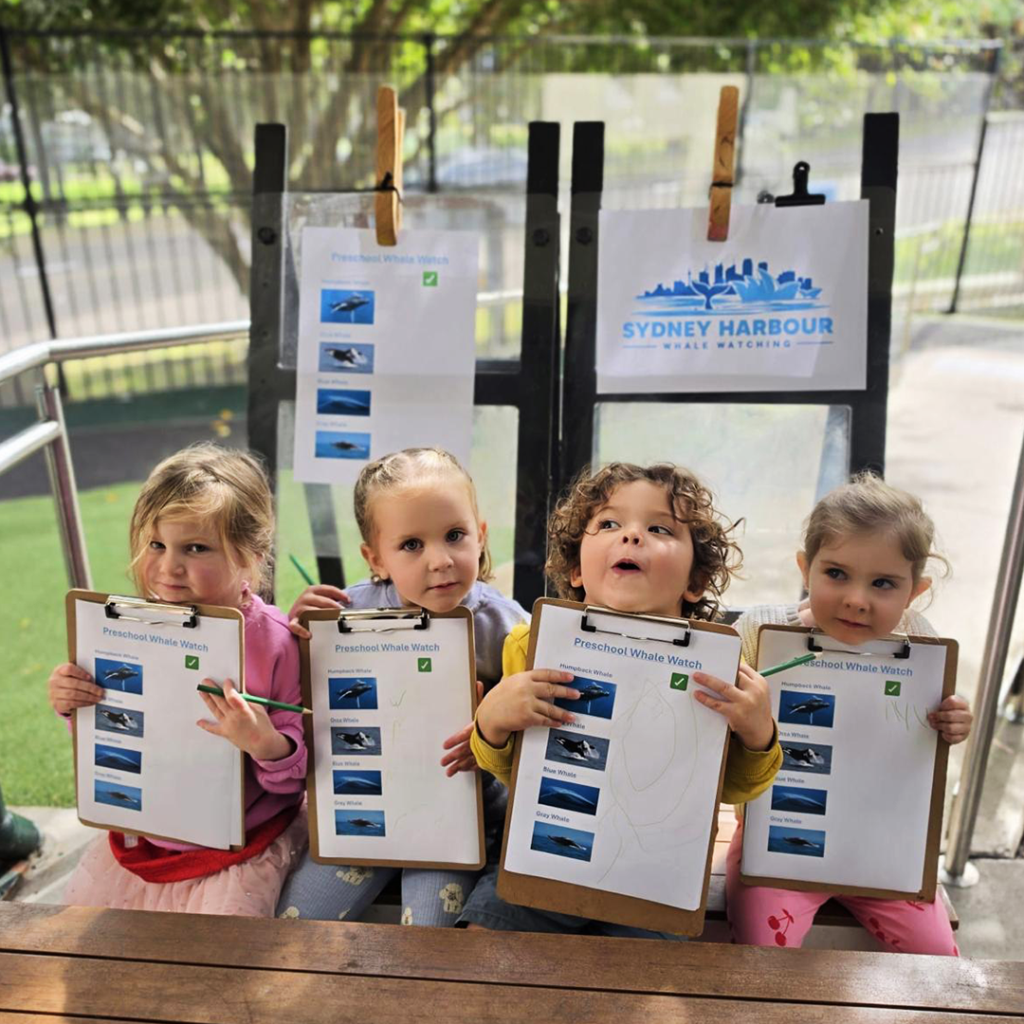
Preschool children at Kids Club Malabar holding clipboards and tracking whale images during a play-based learning outdoor adventure in Sydney.
Tracking whale images during a play-based learning outdoor adventure in Sydney.
• Preschool children at Kids Club Malabar holding clipboards and tracking whale images during a play-based learning outdoor adventure in Sydney.

It’s So Much More Than Play

When your child tells you they “just played” today, remember the whale watching adventure.

They weren’t just running around outside; they were practicing mathematical concepts (counting tickets, comparing sizes), developing literacy skills (mark-making on clipboards), building social collaboration (negotiating roles on the ship) and becoming environmentally conscious citizens.

Through play, we aren’t just teaching children facts to memorise. We are teaching them how to learn.


Updated 11 November, 2026

Calculator Subsidy Calculator Enrol Enrol Today Call Us Call Us