




Your Child’s Learning Environment
At Kids Club we believe strongly in the
environment being the third Educator.
Our indoor environments are designed to ensure children are provided with open spaces that foster opportunities for children to be involved in child-led and teacher-initiated learning and experiences. Our learning environments are interchangeable, supporting the emerging interests of each child at the service. You will also note that our indoor environments are set up in ways that promote both quiet or active learning situations, solitary play experiences or routines with small to large groups.
This experience extends beyond the walls of our rooms and out into our bespoke playscapes. Kids Club playscapes form a unique cornerstone of our business to provide a sensory and exploratory experience that encourages creative play and inspires the imagination of children.
Our premium, award winning playscapes are completely unique, developed in-house and are purpose built to provide an environment that encourages early learning, increase engagement and enhance the child’s daily experience within our centres.
Our resources, materials and equipment have been handpicked to ensure that these resources support play-based learning and encourage children to explore, solve problems, create and construct. These resources enhance children’s knowledge of, and connections with, the built and natural environments and are open ended to ensure that these can be used in a variety of ways, evoking the imagination.
Stunning Outdoor Learning Spaces
At Kids Club our playscapes and outdoor learning environments are designed and built in-house. These physical landscapes and learning spaces are designed to have input into areas that help encourage, support and enhance your child’s learning through creative, physical and engaging play.
One key and well received difference about Kids Club is our investment in extracurricular activities via early learning incursions. All our extracurricular activities are free of charge and included in the cost of care, irrespective of how many days a child attends.
Our play scapes ARE recognised by




Our Rooms
Your Child's Learning Environment
To ensure environments are age and developmentally appropriate, stimulating and promote curiosity and exploration, children in collaboration with families and Educators will be enrolled into one of the following rooms:
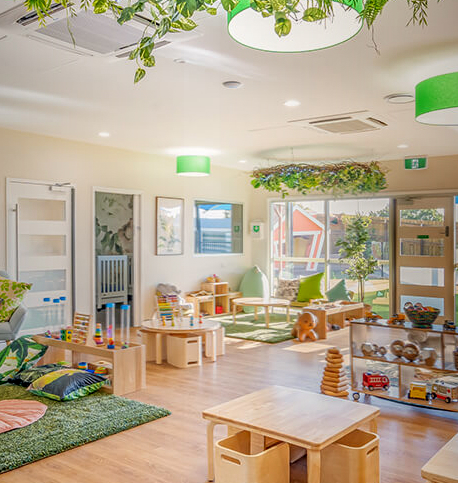
The Rainforest Room (0-2 years)
The Rainforest Room caters for babies. It provides a calm and caring home-like environment with a variety of carefully planned learning areas that reflect children’s interests and skills.
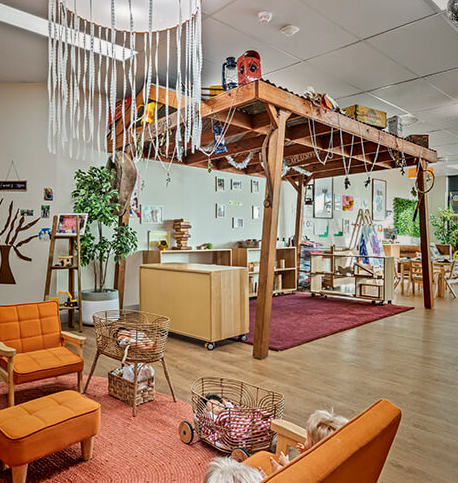
The Ocean Room (2-3 years)
The Ocean Room provides our toddlers with a welcoming, inspiring environment and the opportunity to explore and influence their own experiences and learning.
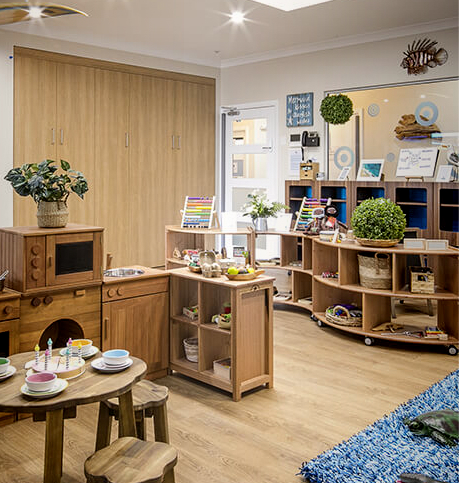
The Outback Room (3-5 years)
The Our acclaimed School Readiness Program aims to increase our pre-schoolers’ independence, encourage them to follow their interests and create their own learning.
Learning Spaces
Our rooms and environments are set up to be developmentally appropriate, stimulating and promote curiosity and exploration. Our teams continue to create and reflect on play spaces that support each child’s physical, personal, social, emotional and spiritual wellbeing.
We pride ourselves on our learning environments which are welcoming and inviting, allowing for play to naturally occur and where children are able to confidently make choices and decisions in their play.
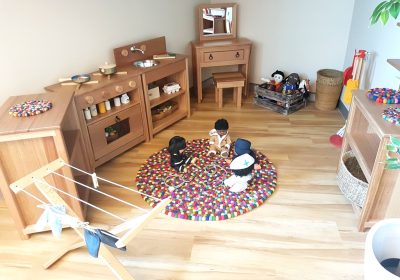
Dramatic Play
Dramatic play allows children to cooperate with others and negotiate roles and relationships in play episodes and group experiences
Children will be engaged in and contribute to shared play experiences where they will be seen negotiating turns, exchanging ideas and solving problems where they are able to use language and engage in play to imagine and create roles, scripts and ideas.
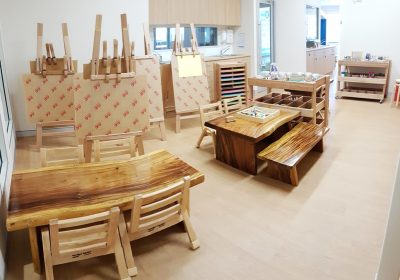
Visual Arts Studio
Art and craft experiences benefit all aspects of children’s development. Engaging in arts and crafts allows children to explore their emotions and the materials provided.
Art is a great way to promote children’s learning as well as the development of specific skills like fine motor skills.
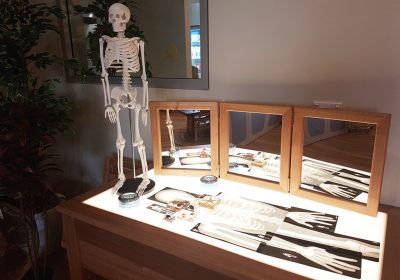
Science, Technology, Engineering and Mathematics (STEM)
Your child will make a lot of fun experiments and will benefit from all our amazing resources including iPads, light tables, models and mirrors.
Being able to interact with science helps children develop their senses, overall awareness, and their ability to form their own opinions based on observation.
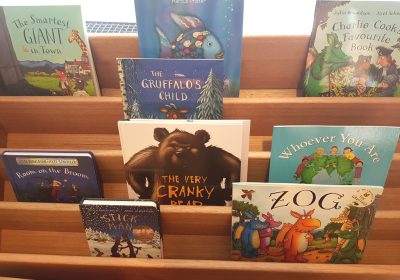
The Library
Our library is an essential part of our learning environments and provides a variety of opportunities for further learning and development.
Children are able to engage with a range of texts which enable them to become effective communicators. This is evident as they listen and respond to sounds and patterns in speech, stories and rhymes.
Exploring a range of text also sees an understanding in key literacy and numeracy concepts and processes, such as the sounds of language, letter-sound relationships and the ways that texts are structured.
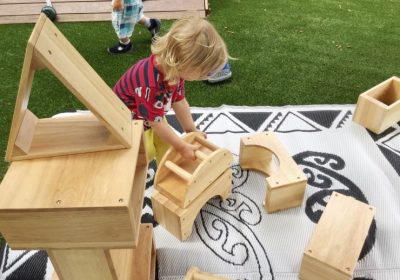
Construction
Construction play is open-ended, where items can come in a variety of shapes, sizes, material and loose parts which allow for hands-on learning, creativity, imagination, problem solving and cause and effect.
This type of play allows for children to explore how to effectively use various resources, requiring purposeful moments, learning to manipulate materials where the desired outcome can be provided with a great sense of achievement.
Educational Activities
The Early Years Learning Framework (EYLF) and National Quality Standards (NQS) do not make distinctions between indoor and outdoor locations, instead these documents focus on the learning that occurs, which is imperative for our Educators to think more deeply about how, what and when children learn in the early childhood setting and how this also guides our decision making.
Children’s interests and voices help navigate our curriculum and learning spaces, which allow for us to respond appropriately through creating intentional teaching moments. We also value family participation throughout the curriculum and utilise their knowledge and input to enrich learning experiences.
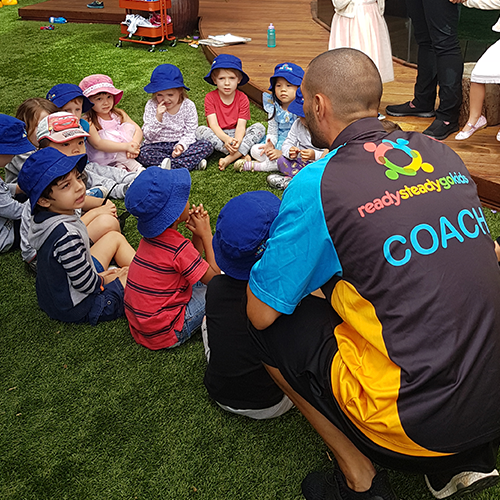

Dance, Yoga, Music and Movement
Children develop gross motor skills whilst engaging in dance, yoga and movement experiences.
Incorporating music, dance and movement into our program encourages children to express their feelings and promotes a positive relationship with their physical wellbeing.
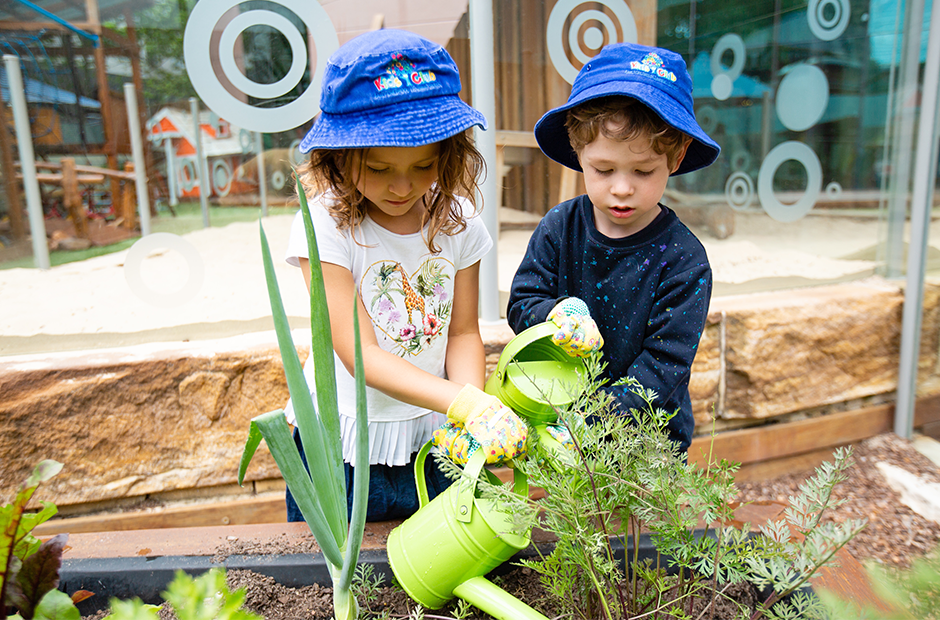
Science and Nature
This area enables children to learn facts about the world around them.
We make sure to provide a hands-on approach for children to develop and further better their understanding of the world around them.
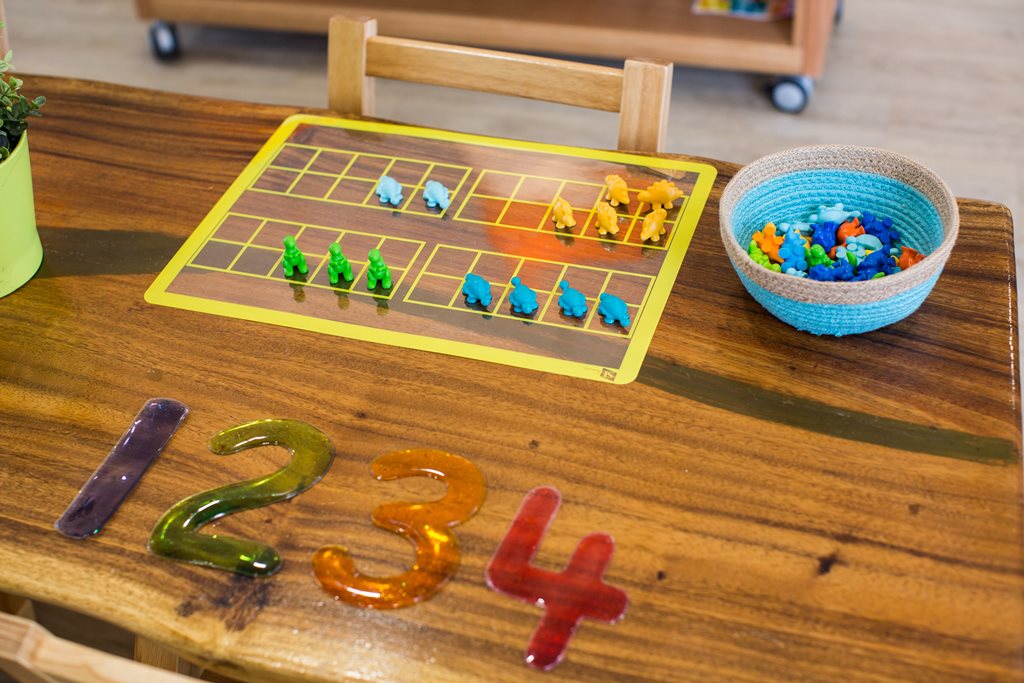
Literacy and Numeracy
We communicate in a variety of ways, and this is experienced all over the world; therefore we aim to expose children to the endless possibilities of how we can engage and be effective communicators. We deliver this through a variety of ways, where children are able to build on these competencies which are built in the early years.
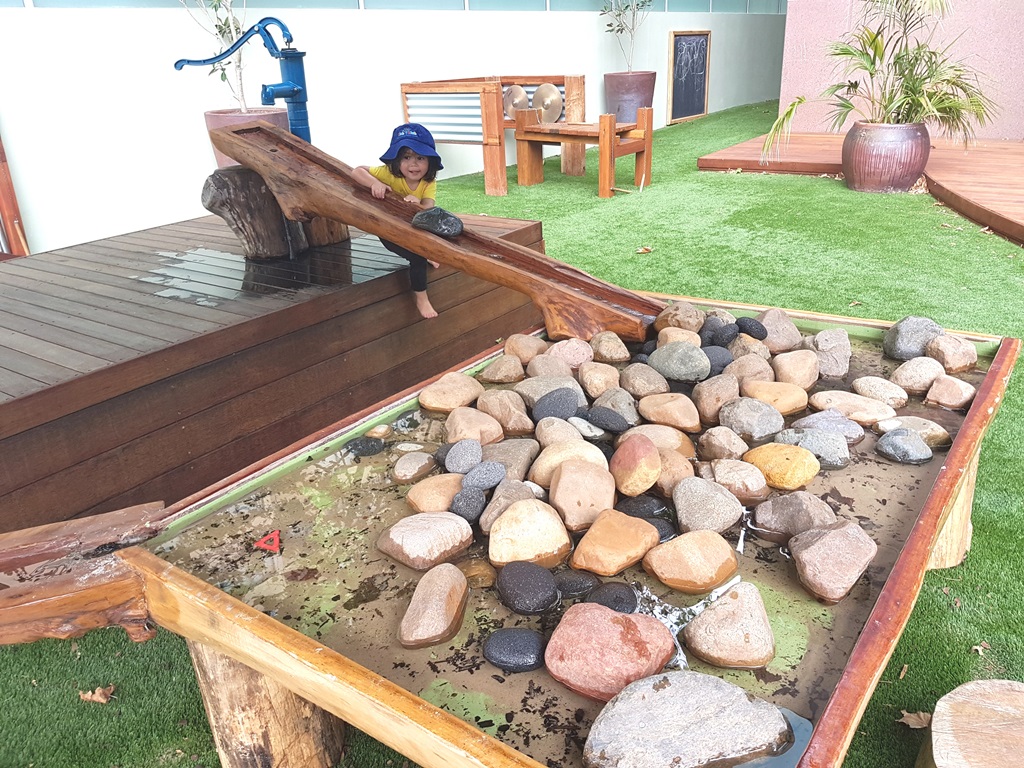
Sensory Play
We communicate in a variety of ways, and this is experienced all over the world; therefore we aim to expose children to the endless possibilities of how we can engage and be effective communicators. We deliver this through a variety of ways, where children are able to build on these competencies which are built in the early years.
Water Play
Sensory Play
Children have a natural attraction to learn through touch and textures where they use their senses to explore natural and built environments.
Fostering opportunities for children to explore a variety of elements assists in an important role in child’s health and development.
Frequently Asked Questions
What is the most important thing in Preschool?
One of the most important things that children can develop in Preschool is their social and
emotional wellbeing.
A strong sense of wellbeing provides children with confidence and optimism which maximise
their learning potential. You will often find that children will flourish in all other
aspects of their learning when they are able to be confident in their social and emotional
wellbeing.
At Kids Club, we have created specific environments for your child to explore new skills and
develop their existing skills to prepare them for their transition to primary school.
Our aim is to ensure each and every child that graduates from Kids Club is fully prepared for
their next educational step, where we like to ensure they have developed:
- Responsibility
- Independence
- Confidence
- Self-Worth
Is early childhood stressful for Toddlers?
Although every child is different, many children have separation anxiety and a fear of
strangers when they begin going to a new environment/ or to a new school. Your child may start
to become clingy and refuse to be left at school.
However, children can be made comfortable by visiting their new school together, building up
to visiting for full days, and creating a goodbye routine.
At Kids Club, we ensure that your child is in the best hands. Our Educators make sure that
your children are comfortable and are able to calm them down if a situation arises. We also
work closely with families to work on strategies to best assist your child into settling
into care and provide updates with you on how your child is going.
Is early childhood better than staying at home?
Everyone is different when it comes to early childhood education and care, so it’s important
to understand what routine works well for you and your family. However, there are some
benefits that childcare can provide that being at home can’t.
The pros when it comes to sending your child to early day care include:
- Exposure to social interactions
- Children gain a sense of independence
- Gives families opportunities to work and run errands
- Participate and be involved in new learning opportunities
- Learn about various cultures and ethnicities
- Creating friendships and relationships with others
- Build a supportive network with other families and the wider community
- Work with qualified Educators who implement and deliver high quality programs
- Access to a wide range of activities and resources to promote holistic development.
You can learn more about the differences between Staying at Home VS Sending your Child to
Childcare in our article here.
Why are routines important for children in childcare?
Forming routines is a healthy habit that children should develop not only at daycare, but
also at home.
Routines have many benefits, including:
- Helping children feel safe, build healthy habits and develop life skills.
- Help reduce stress for parents and help them feel organised.
- Create regular and predictable habits.
- Creates a calmer household
- Bonds and brings the family together.
How long will it take for my child to adjust to daycare?
On most occasions, young children will settle into their new surroundings within a week or
two. However, every child is different and some may take la little longer than others.
If your child is taking a longer time to adjust to daycare than usual, it’s important for
families to provide them with extra attention and reassurance.
To read more about the steps we take to support our children with the transition to daycare,
you can read our article about it here.
How do you create a positive learning environment in early childhood?
When you begin creating a positive learning environment for young children, it is vital that
the environment has these features:
- Areas for exploration and investigation
- Spaces for relaxation
- Welcoming spaces for families
- Group spaces and areas for children to explore creativity
- Spaces to enable quality interactions with educators and children
Overall, the environment should be rich and varied in order to support a child’s learning and
development. It will give them the confidence to explore and learn in a secure and safe yet
challenging, indoor and outdoor space.
Where Your Child’s Future Begins

